As Chinese brands look to expand into the UK and Europe at a time of heightened political tension and regulatory complexity, the path to international growth has rarely been more challenging. Behind the scenes, however, platforms like HungryPanda are quietly helping brands navigate those obstacles, translating cultural authenticity into commercial success.
Founded in the UK by Chinese international students who struggled to find authentic food abroad, HungryPanda has grown into the world’s leading Asian food delivery platform, operating across Europe, North America and Australia. Beyond delivery, the company now plays a pivotal role in helping Chinese food and beverage brands enter new markets, offering support across logistics, compliance, localisation and culturally attuned marketing.
We spoke to Kitty Lu, director of public affairs at HungryPanda, about the company’s origins, how it bridges the gap between Chinese brands and Western consumers, and why food delivery can be as much about cultural connection as convenience.
HungryPanda was founded to meet a gap you personally recognised while studying in the UK. How has that original mission evolved as the company expanded globally?
HungryPanda’s story began in 2017 in Nottingham, UK, when a group of Chinese international students noticed a gap in the market; authentic Chinese food was difficult to find abroad. This inspired a mission to better serve the international student community and overseas Chinese by giving them access to the familiar tastes of home. The platform offered language-friendly menus, convenient payment options such as Alipay and WeChat Pay, and curated food selections tailored to Chinese users living overseas.
Since then, the company has successfully expanded, growing from its UK roots into major markets across the United States, Australia, and beyond. Yes, HungryPanda was born from a personal need (authentic food abroad) and has grown into a global platform whose mission is to make home tastes accessible overseas, while also fostering cultural connection and supporting businesses in the Asian food ecosystem.
What do you think has been the key to HungryPanda’s success in connecting Chinese cuisine and culture with audiences abroad?
Cultural authenticity paired with technological precision has been the key to our success. We deeply understand the preferences, language, and payment habits of our users, while also supporting local merchants with data insights and marketing tools. This combination, respecting culture while innovating through technology, has allowed HungryPanda to grow from a niche service into a global platform celebrating Chinese food and culture.
Supporting Chinese brands abroad
What do you think are the biggest challenges Chinese food and beverage brands face when entering the UK and European markets today?
There are four big ones we see all the time:
- Supply Chain & Ingredients: Sourcing authentic ingredients, such as specific types of tea leaves or cuts of meat for hot pot, can be challenging in the UK. Without reliable local suppliers, maintaining consistent quality and flavor becomes difficult.
- Regulation & Compliance: The UK has its own food safety regulations, labeling requirements, and licensing rules. Misunderstanding these standards can lead to unexpected costs, delays, or even fines.
- Customer Preferences: Dishes that are popular in China may not always appeal to UK audiences. Brands need to adapt menus, portion sizes, and pricing to match British tastes and dining habits, especially for delivery.
- Competition & Location: Many segments, like bubble tea or casual Chinese dining, are already competitive in major UK cities. Choosing the wrong location can hinder growth, making strategic site selection crucial.
Could you share an example of a Chinese brand that successfully launched in the UK with HungryPanda’s support – and what made that collaboration work?
One example is Cha Halo (茶话弄), which launched in London in mid-2025. As a new entrant to the UK market, the brand needed support in finding local partners, navigating the supply chain, and adapting to the preferences of overseas consumers. Through our platform’s existing supplier networks in the UK, we were able to help them resolve some of their early logistical challenges.
When Cha Halo opened its first London store in July, we also worked closely with them to design a pre-launch campaign that combined online pre-sales with offline promotion, based on insights we’ve gathered from previous food and beverage launches. This collaborative approach helped them build strong initial awareness and achieve a smooth soft opening.
For us, the goal is not to take the lead for the brand, but to act as a partner: sharing our experience, data and community insights so that they can establish themselves more quickly and effectively in a new market.
How does HungryPanda help these brands localise their marketing and product offerings without losing their cultural identity?
- Menu Adaptation: We support brands in adapting their names and menus to ensure it resonates well with local audiences while maintaining the original brand’s meaning. We leverage our data on local tastes and operational efficiency to ensure signature and authentic flavors are always preserved.
- Data-Driven Marketing: We offer detailed demographic, location, and pricing data to recommend the best locations for new outlets, set appropriate price points, and tailor promotional campaigns.
- Cultural Promotion: As both a technology partner and culture ambassador, we encourage brands to share authentic Asian food experiences. This cultural emphasis is present in their marketing, community engagement, and approach to customer education.
- Community Connection: Offline promotions, collaborations with student housing, and local events help introduce brands to new consumers, while maintaining the connection to their cultural roots through storytelling and community-based marketing efforts.
Many small or family-run Chinese brands are new to navigating Western regulations. How does your team assist them with compliance, logistics, or distribution?
The team values building strong relationships with restaurants to provide guidance on how to adapt to local delivery systems, packaging standards, and environmental regulations. For example, modified packaging practices, using more secure, environmentally friendly takeaway bags rather than paper ones, to prevent spills and meet both customer expectations and local compliance needs.
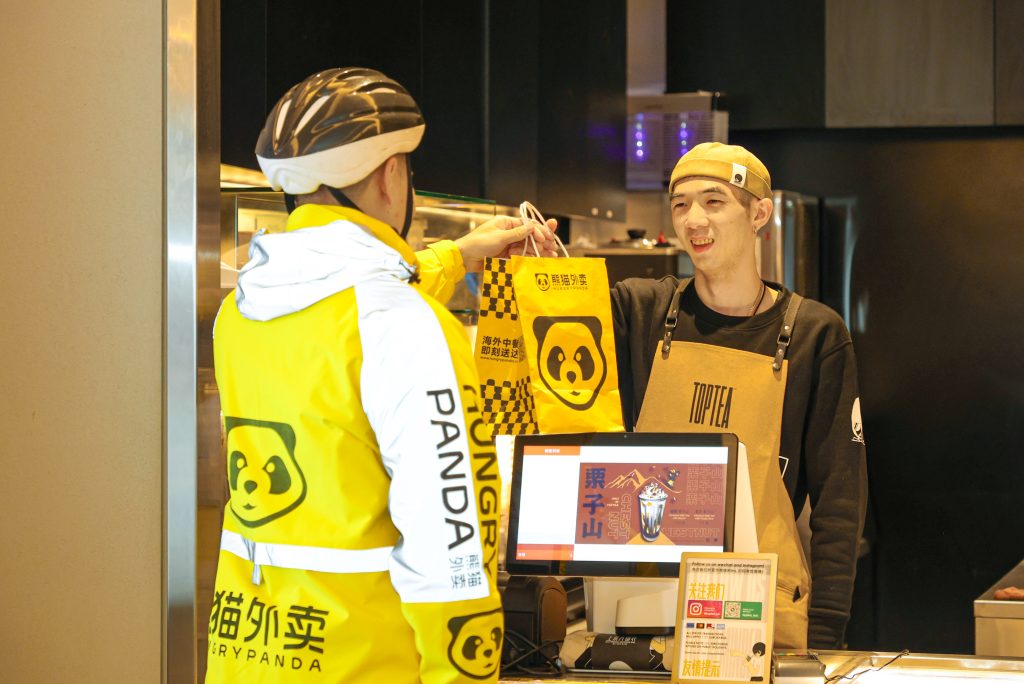
HungryPanda also supports these brands in logistics and distribution, leveraging its network of delivery riders and merchant partners across major cities. This infrastructure allows small or family-run restaurants to reach customers efficiently without having to build their own delivery systems.
In addition, HungryPanda assists Asian brands with international expansion and online sales, helping them launch successfully in Western markets. The platform effectively manages the operational, logistical, and cultural barriers so that these brands can focus on their food and identity, while HungryPanda helps to ensure regulatory compliance and smooth distribution.
Bridging cultures and audiences
Food delivery is often seen as transactional but HungryPanda’s approach seems cultural. How do you design campaigns that resonate emotionally with both diaspora communities and local audiences?
This requires balancing authentic cultural storytelling with universal human emotions. Instead of leading with discounts or convenience, campaigns start from lived experiences like the comfort of tasting home, the joy of shared traditions, or the pride of sharing one’s culture.
For local audiences, campaigns translate emotion rather than language, emphasizing universal themes like belonging, pride, and connection. For instance, a Lunar New Year campaign celebrates both traditional food and family ties for the diaspora and the joy of cultural exchange for local audiences.
Beyond advertising, HungryPanda integrates cultural moments into the experience through festival menus, restaurant partnerships, and stories about dish origins, making the platform a cultural bridge rather than just a delivery service.
How do you see food delivery platforms contributing to cultural understanding in multicultural cities like London or Manchester?
Food delivery platforms deliver experiences, stories, and connections from different cultures straight to someone’s doorstep. In multicultural cities like London and Manchester, this exposure helps residents appreciate cultural diversity in a tangible, delicious way.
More specifically, HungryPanda’s food delivery platform promotes cultural understanding by introducing people to authentic Asian dishes they might not otherwise try. By supporting ethnic restaurants, it helps preserve traditional recipes, share cultural heritage, and promote economic inclusion, while normalizing access to diverse foods and reducing cultural barriers and foster acceptance.
Are you seeing increased curiosity from non-Asian consumers about authentic Chinese regional cuisines?
Yes, we’ve happily observed this growing curiosity among non-Asian consumers as we’ve expanded globally!
At the moment, about 80% of our content and communication is in Chinese, while 20% is in other languages. We’re making a conscious effort to diversify, and our goal is to increase the share of non-Chinese language use to around 30% in 2026. This reflects both our growing international user base and our commitment to making the platform more inclusive and accessible.
Data, technology, and future trends
How does HungryPanda use data and consumer insights to help brands refine their strategies in new markets?
With our international presence and established operations in these regions, we act as both a cultural ambassador and a logistical partner. We leverage our data and consumer insights to help brands refine their strategies when entering or expanding into new markets, guiding them to make informed decisions. For example:
- Track customer behavior, including ordering patterns, frequency, and dish preferences, helping brands identify their most valuable customers and target them effectively. It also analyzes price sensitivity and repeat purchase rates to enable more optimized offerings for different markets.
- Provides insights on localization, including menu adaptation, packaging, delivery efficiency, and operational logistics, ensuring products suit local consumers and conditions.
- For market entry, it uses data across regions to advise on location selection, ingredient sourcing, labor costs, and competitive benchmarking, helping brands reduce risk, tailor offerings, optimize operations, and spend marketing budgets efficiently.
What trends are you noticing in how younger consumers engage with Asian food culture in Europe? Why do you think these have been so successful?
Student communities play a key role in shaping local food trends, particularly in the adoption of authentic Asian cuisine. International students often serve as cultural ambassadors, introducing dishes that are familiar to them, such as bubble tea, hotpot, or regional Chinese specialties, to their local peers. What begins as comfort food for these students frequently becomes a culinary discovery for friends and classmates. In the UK, for example, student-driven demand helped bubble tea grow from a niche offering into a widely available beverage found on nearly every high street. Similarly, hotpot and regional cuisines like Sichuan or Xi’an have gained popularity among a broader audience. These communities often spark trends that eventually spread to the wider market.
Are there any upcoming innovations, partnerships, or campaigns you’re particularly excited about?
We are excited about deepening engagement with minority and multicultural communities, empowering Asian food culture globally. These ongoing initiatives include building relationships with local restaurants, promoting authentic Asian cuisine, and helping brands enter new international markets.
But we are also hoping to get more fundings to make our mission a little bit easier. We successfully completed our Series D+ round in 2024. At present, we are evaluating timing for the next round of fundraising, which could support accelerated expansion and potentially prepare the ground for an eventual IPO. We remain focused on strong fundamentals and sustainable growth before making any announcements.
Impact and global expansion
HungryPanda now operates across multiple continents. What lessons have you learned about adapting the platform to different cultural contexts?
Market comparison: UK, US, Japan, Australia (user habits & profitability)
UK: The UK is where HungryPanda began and remains one of our most mature markets. With a dense concentration of Chinese students and migrant populations, it is both highly profitable and stable. Users here place strong emphasis on convenience and are highly responsive to regular promotions.
US: The US stands out for its sheer scale, both in terms of population and geography, making it more fragmented than other markets. However, it also offers enormous potential, particularly in metropolitan hubs with significant Chinese and Asian communities. American users tend to value brand authenticity and quality assurance, which positions HungryPanda well.
Japan: Japan is quite different from other markets, as it is already an Asian country where the majority of food options are inherently Asian. Our differentiation here is less about focusing on an underserved niche and more about the diversity of regional Chinese cuisines we can introduce, enriching an already sophisticated food culture.
Australia: Australia has a large and fast-growing Asian population, making it one of our fastest-expanding markets. Consumers here are price-sensitive but demonstrate strong loyalty once they establish trust in a platform, which has fueled our rapid growth.
What do you think is the next frontier for Chinese brands abroad, and how will HungryPanda continue to support that growth?
Chinese brands have made significant strides abroad, particularly in tech and food. From our perspective, the next frontier lies in lifestyle, specialty food, and fast-moving consumer goods, as demand for authentic Asian experiences continues to grow.
HungryPanda is well positioned to support this growth. In fact, we’ve been expanding beyond traditional meal delivery ourselves through our PandaFresh platform, which has been performing strongly in the UK focusing on groceries and daily essentials, while our lifestyle services in Australia and the US have also seen particularly strong growth. These cover a wide range of discounted service options, from dining-in offers and beauty services to home cleaning and other everyday lifestyle needs. It’s an important step for us to build a more holistic ecosystem around our users’ daily lives, and the positive uptake in these markets shows that our customers really value the added convenience and affordability.
Looking ahead, how do you envision HungryPanda’s role in shaping the global perception of Chinese cuisine and culture?
HungryPanda has the tools to transition Chinese cuisine from a niche or stereotypical perception into a globally respected, diverse, and culturally rich experience. Its role could extend beyond convenience into shaping cultural narratives, fostering appreciation, and even redefining how people worldwide engage with Chinese culture.